
Eating Halal Abroad: Pitfalls to Avoid
Travelling around the world while trying to maintain a halal diet can sometimes come with a few surprises. A croissant made with pork fat in Barcelona, meat-based stocks in vegetarian dishes in Vietnam, or restaurant owners who do not always share the same understanding of what halal means… Throughout my travels, I have encountered situations that you might not necessarily think about before setting off.
Having visited more than 70 countries, I have learned that simply looking for a halal restaurant is not always enough to eat with peace of mind abroad. Here are some pitfalls to be aware of, along with my tips for avoiding them.
Contents
- A Muslim-majority country does not always guarantee halal food
- Be careful about what people mean by halal
- The meaning of “meat” is not universal
- Even a croissant can contain pork
- Meat-based stocks hidden in vegetarian dishes
- Alcohol hidden in food
- My tips for eating halal with peace of mind abroad
- Conclusion: Enjoying food discoveries while eating halal abroad
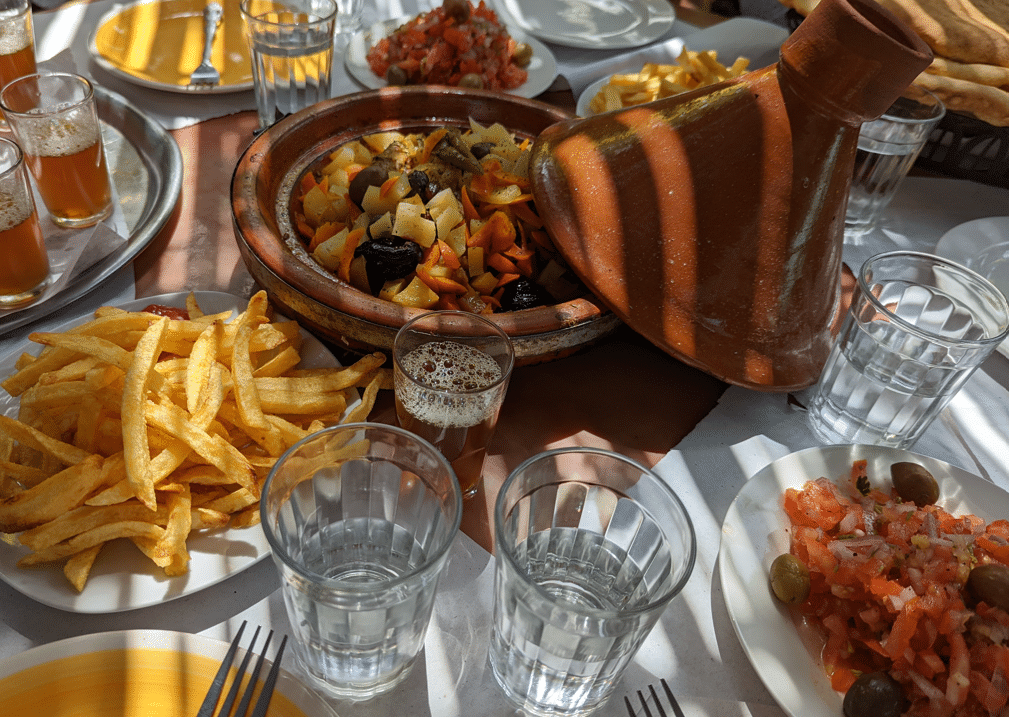
A Muslim-majority country does not always guarantee halal food
A country with a Muslim-majority population does not necessarily mean that you will easily find halal-certified food. This is particularly true in Albania and some Central Asian countries. In Indonesia, despite being the country with the world’s largest Muslim population, you can still find pork for sale in the self-service section of supermarkets, and not all restaurants are halal. Always look for the “Halal Indonesia” logo.
In countries like these, I recommend asking to see the restaurant’s halal certificate, or making sure that you and the person you are speaking to mean the same thing when you talk about halal food. During my travels, I have noticed that the definition of this term can vary from one person to another.
Be careful about what people mean by halal
Beyond certification, it is also important to make sure that everyone understands the term halal in the same way.
When speaking to restaurant staff, be clear about what you mean by “halal”. Some people consider food halal simply because it does not contain pork.
This has happened to me several times in different countries, particularly in the Philippines. In addition, some restaurants, generally those run by non-Muslims, may have halal certification while still using alcohol in certain preparations. It is therefore important to find out exactly what the certification covers and to ask questions about how dishes are prepared.
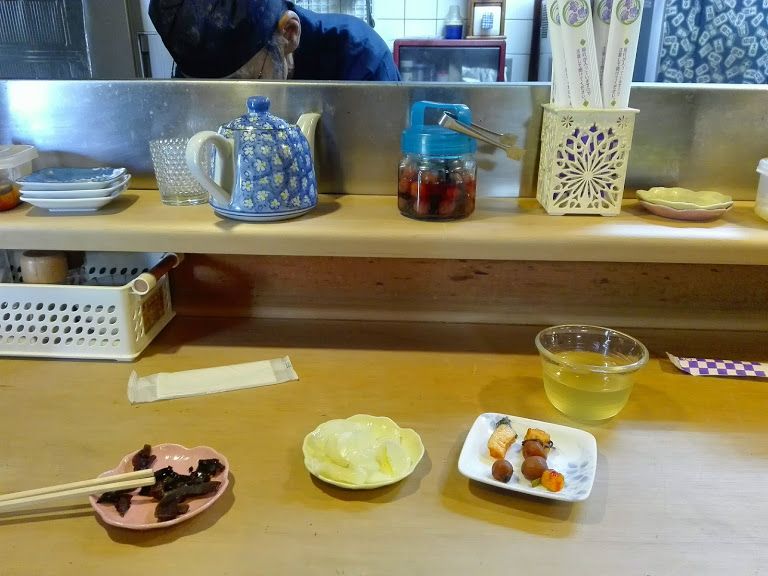
The meaning of “meat” is not universal
These differences in understanding do not only apply to halal food, but also to certain ingredients.
During some of my travels, I realised that some people did not consider chicken or cold cuts to be meat. I particularly noticed this in Mexico.
So when asking whether a dish contains meat, be as specific as possible. Do not assume that the person you are speaking to necessarily understands the term in the same way as you do.
Even a croissant can contain pork
And sometimes, surprises are hidden in foods you would never even think to question.
In some countries, even pastries are made with pork fat or other animal fats.
Do not hesitate to ask whether they are made with vegetable oil. Recently, in Barcelona, I was about to buy a croissant when I asked the sales assistant what type of fat was used. She immediately replied: “Pork.”
The same applies to fried foods. When checking the ingredients of Italian breads or simple cakes in supermarkets, I have also come across products whose ingredient lists included pork.

The meaning of “meat” is not universal
These differences in understanding do not only apply to halal food, but also to certain ingredients.
During some of my travels, I realised that some people did not consider chicken or cold cuts to be meat. I particularly noticed this in Mexico.
So when asking whether a dish contains meat, be as specific as possible. Do not assume that the person you are speaking to necessarily understands the term in the same way as you do.
Even a croissant can contain pork
And sometimes, surprises are hidden in foods you would never even think to question.
In some countries, even pastries are made with pork fat or other animal fats.
Do not hesitate to ask whether they are made with vegetable oil. Recently, in Barcelona, I was about to buy a croissant when I asked the sales assistant what type of fat was used. She immediately replied: “Pork.”
The same applies to fried foods. When checking the ingredients of Italian breads or simple cakes in supermarkets, I have also come across products whose ingredient lists included pork.
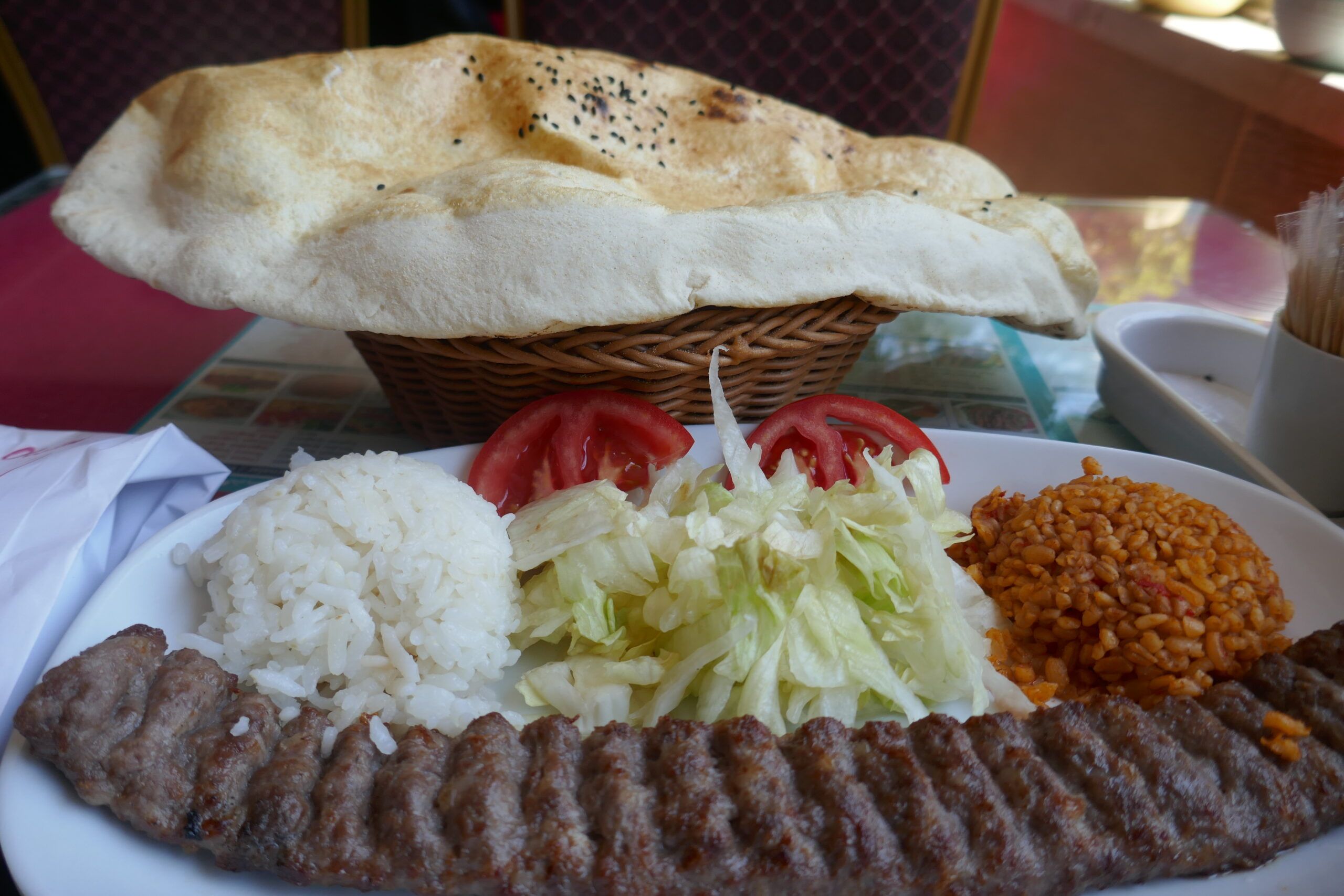
My tips for eating halal with peace of mind abroad
A few precautions can help you travel with greater peace of mind in these situations.
Ultimately, there are always ways to find food that respects your faith and values. Here are a few tips based on my own travel experiences.
Rent an apartment and cook
This is a particularly practical solution, as it allows you to control the ingredients used and prepare your own meals.
Buy ingredients at the supermarket
Choose products that have a clearly displayed list of ingredients. This makes it easier to check their contents and select foods that meet your requirements.
Look for Indo-Pakistani restaurants
You can find them in many countries around the world, and many have halal certification.
Look up the city’s mosques
Halal-certified restaurants are sometimes located near mosques. This can be a useful way to find suitable places to eat.
Prepare a list of words and questions in the local language
A few phrases can be very useful in helping you avoid unpleasant surprises:
- Is this vegetarian?
- Does this contain alcohol?
- What kind of stock do you use?
- Does this preparation contain any animal fats?
Ingredients to look out for on food labels
When shopping abroad, there are certain ingredients you should pay particular attention to:
- Gelatine, particularly pork gelatine.
- Lard and animal fats.
- Meat or poultry stock.
- Alcohol, wine, rum, sake and mirin.
- Animal rennet in certain cheeses.
- …
Conclusion: Enjoying food discoveries while eating halal abroad with Noor Voyages
Travelling and discovering new cultures while staying true to your beliefs is absolutely possible. Sometimes, all it takes is knowing about a few potential pitfalls and taking certain precautions before and during your trip.
To save you valuable time on your trip searching for restaurants and places to eat that meet your dietary requirements, Noor Voyages can help you plan your itinerary and include recommendations for halal restaurants and great places to eat, so you can enjoy delicious food without compromising your values.
Discovering new cultures and enjoying the culinary richness of each destination should remain a pleasure, while allowing you to stay true to your convictions.
To contact Noor Voyages, click here.