
Halal Travel in Japan: The Complete Guide to Eating with Peace of Mind
I have been blessed e to travel to Japan three times. On every trip, I rediscovered that unique blend of tradition, modernity and small everyday discoveries that makes the country so endearing. But planning a trip when you want to eat halal takes a little extra research: here is the advice I wish I’d had to hand.

Check before you go: mosque addresses, opening hours and the certifications of halal restaurants can change regularly. A venue may move, close or change its certification. So be sure to double-check every detail directly with the places concerned before your trip.
Cherry blossom, futuristic cities, trains of legendary punctuality… Japan is a dream destination, and more and more Muslim travellers are taking the plunge. But very quickly, one question comes up: “What on earth am I going to eat?”
Let’s be honest: eating halal in Japan takes a little forward planning. Japanese cuisine can contain meat or alcohol where you least expect it, and the term “halal” isn’t always well understood. The good news is that the options are growing, and with a few good habits it’s perfectly possible to enjoy your trip without spending your time scrutinising every plate.
In this guide, I share the things to watch out for, practical ways to find suitable places to eat (yes, there is even halal Kobe beef!) and a Japanese phrase sheet to keep on your phone.
Why Eating Halal in Japan Is a Real Challenge
Japan is not a majority-Muslim country, and halal dietary rules aren’t always familiar to restaurateurs. So the challenge isn’t simply finding a meat-free dish: you also need to think about less visible ingredients, such as broths, sauces and seasonings.
Meat Is Far More Present Than You Think
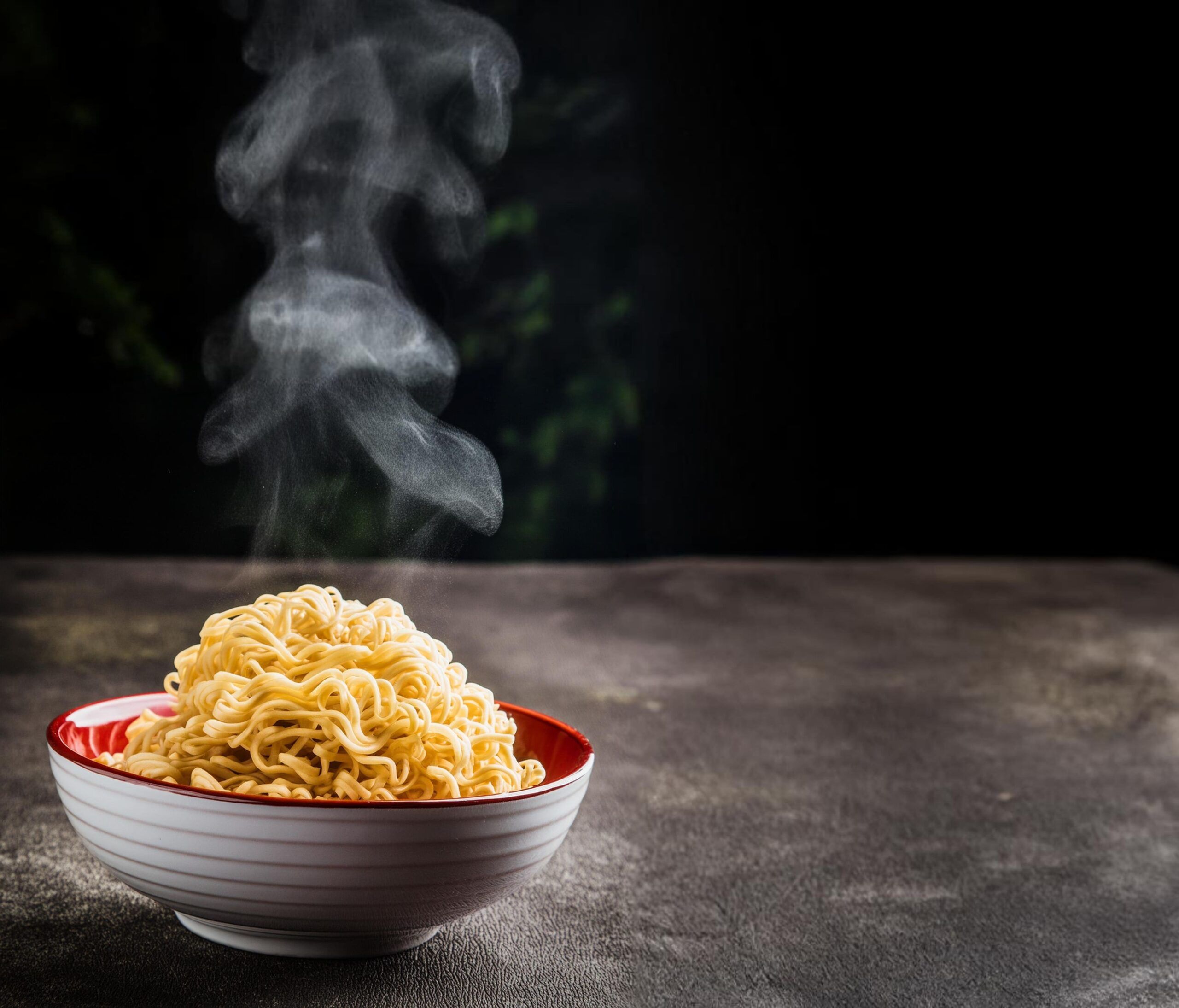
Tonkotsu ramen (pork-bone broth), gyoza, tonkatsu, okonomiyaki, lard in some broths, ham or bacon bits in “Westernised” dishes… Even a bowl of ramen advertised as “vegetable” can contain pork in its broth if the restaurant isn’t certified.
Alcohol Hidden in Seasonings
This is one of the least obvious pitfalls: you can’t necessarily see it on the plate. Mirin (a Japanese rice-based seasoning) and cooking sake are used in many recipes: teriyaki sauces, simmered dishes, marinades, glazes and broths. Depending on the establishment, they may also turn up in certain sauces.
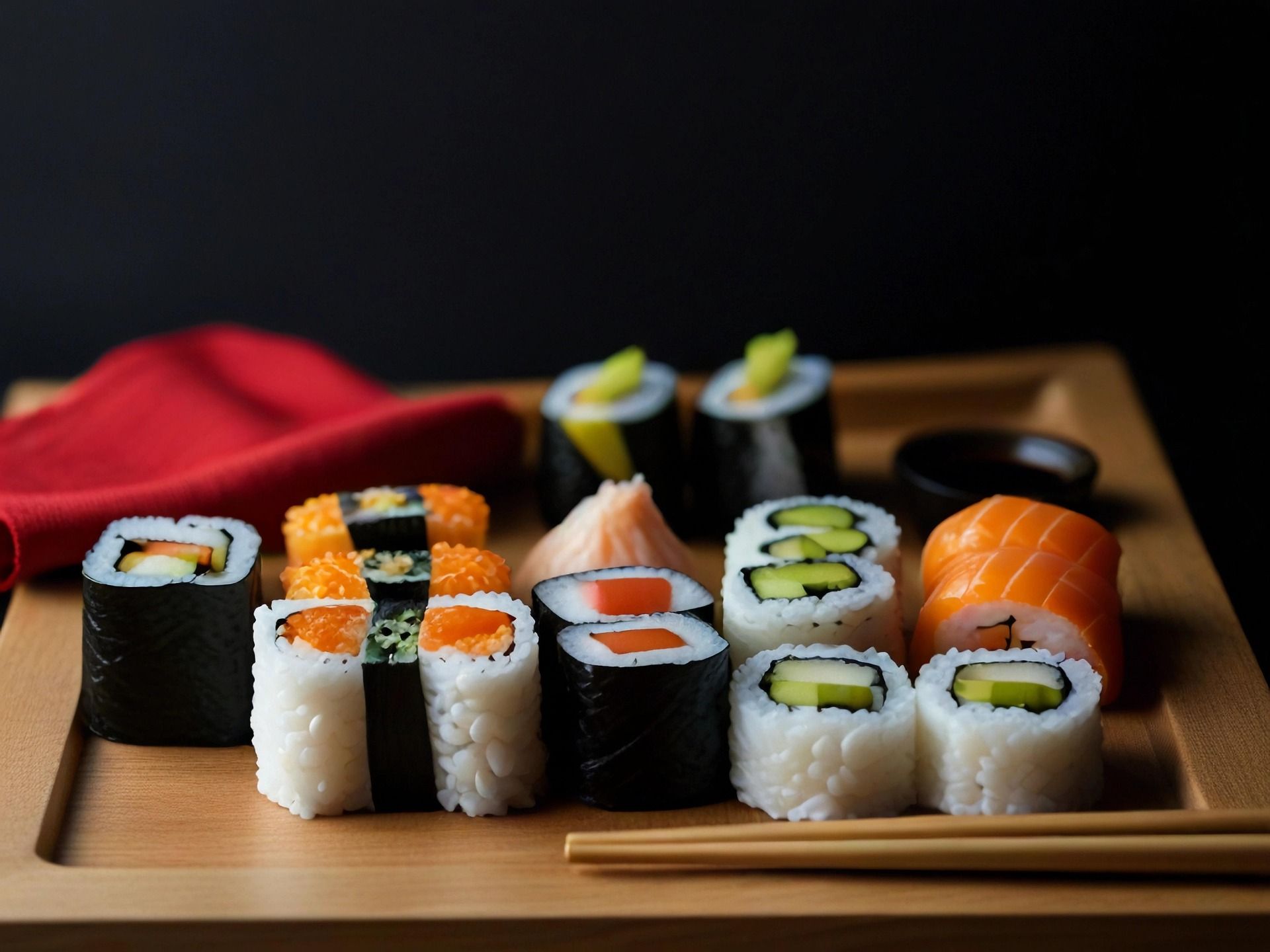
Sushi isn’t necessarily a safe bet either. The rice is usually seasoned with vinegar, but some preparations may also contain mirin or sake. A fish sushi is therefore not automatically halal: it’s better to ask.
Curry, Broths and “Reassuring” Dishes
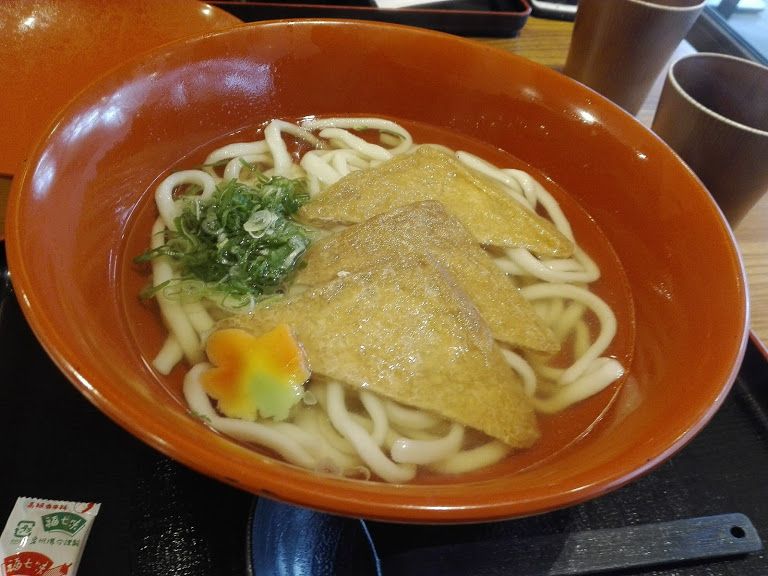
Japanese curry is the perfect example. You imagine a dish of vegetables and rice, but the industrial roux very often contains animal fat or beef or pork extract, and the dish is frequently simmered in a meat broth. The same vigilance is needed for miso soup, udon and soba noodles or tempura: the broth (dashi), dipping sauces or frying oil shared with pork can all be a problem.
A vegetarian dish isn’t automatically halal either: it may contain mirin or cooking sake. Here again, it’s better to check the ingredients.
Other Pitfalls to Keep in Mind
- Gelatine, found in many desserts, flans, gummy sweets and marshmallows.
- Cross-contamination: the same grill, pan or frying oil as is used for pork.
- The labels “Muslim-friendly” or “pork-free”: they don’t mean halal. A restaurant can remove pork from its menu while still cooking with mirin or sake, or using meat that isn’t “halal”.
- A “yes” that doesn’t necessarily mean yes: out of politeness, a waiter may answer positively without having fully understood the question. Try asking specifically whether there is meat, pork, alcohol or mirin, rather than simply asking whether the dish is halal.
The most common pitfalls at a glance:
|
Dish |
Common pitfall |
What to ask |
|
Sushi |
Rice seasoned with mirin or sake |
Vinegar-only rice, or a halal-certified sushi restaurant |
|
Ramen |
Pork-bone broth, lard, chashu (braised pork) |
Certified fish or vegetable broth, no chashu |
|
Japanese curry |
Roux with beef or pork extract, meat broth |
Halal roux, or curry made without industrial roux |
|
Tempura, katsu |
Oil shared with pork, dipping sauce |
Dedicated fryer, checked sauce |
|
Desserts |
Gelatine, alcohol |
Simple fruit or ice cream, after reading the label |
The Good News: Halal Options Are Growing Every Year
A few years ago, finding a halal restaurant in Japan could be difficult. Today, the choice is wider, especially in Tokyo, Osaka and Kyoto. It remains limited, however, compared with the total number of restaurants, and the information available online isn’t always up to date. A minimum of preparation is therefore still essential.
Understanding Halal Certifications in Japan
Japan has no single national halal authority. Several bodies issue certifications, including the Japan Halal Association (JHA), the Nippon Asia Halal Association (NAHA), the Japan Muslim Association (JMA) and the Japan Islamic Trust (JIT).
If a restaurant says it is halal-certified, look for the logo and, if necessary, ask which body issued the certification. The terms “halal”, “Muslim-friendly” and “pork-free” don’t always mean the same thing. A certification can also expire, so take the time to check its current status before you set out.
Even Kobe Beef Comes in a Halal Version
For meat lovers, a few establishments serve halal wagyu or Kobe beef. Some say they have a dedicated preparation area and dedicated utensils. Names often mentioned include Ginza The Emperor, in Tokyo, and Kobe Beef Steak Sakura, in Kobe. Check directly with the restaurant about how the meat is prepared and whether its certification is valid before booking.
Worth bearing in mind: halal Kobe beef remains a very limited and often expensive offering. If you would like to try the experience, contact the restaurant well in advance and confirm every detail before your visit.
A Few Places to Get You Started
Here are a few places often mentioned by travellers. This list is a starting point, not a guarantee: establishments can move, close or change what they offer. Always check the details directly with each restaurant before you set out.
- Naritaya (Asakusa, Tokyo): halal ramen a few minutes from Senso-ji Temple, with further branches in Kyoto (Gion) and Osaka (Minami).
- Asakusa Sushi Ken (Tokyo): billed as the capital’s first halal-certified sushi restaurant.
- Halal Wagyu Ramen Shinjuku-Tei (Shinjuku): a halal wagyu ramen.
- Gyumon (Asakusa, Shibuya): halal wagyu yakiniku and gyukatsu.
- CoCo Ichibanya Halal (Akihabara): the famous Japanese curry chain, with a halal-certified branch that uses separate utensils and halal roux.
- Kobe, Osaka, Kyoto: in addition to the places above, plenty of Indian, Pakistani, Turkish and halal yakiniku restaurants. In Kyoto, the choice is more limited and changes often: book and confirm.
Tip #1: Stay Close to a Mosque
It’s a good way to make organising your trip easier. Neighbourhoods near a mosque can also offer halal grocery stores, restaurants and practical information. You’ll also have easier access to a place of prayer. Here are a few areas to consider:
- Tokyo Camii (Shibuya): Japan’s largest mosque, built in Ottoman style and open to visitors. It houses a halal grocery store (meat and imported products) and a Turkish café. It is about a ten-minute walk from Yoyogi-Uehara station.
- Asakusa: a small mosque (Darul Arqam) and several halal restaurants around Senso-ji Temple. An excellent base for a first trip.
- Shin-Okubo (Shinjuku): a very multicultural neighbourhood nicknamed “Islam Yokocho”, with halal grocery stores and budget-friendly restaurants.
- Ueno and Okachimachi: a mosque in Okachimachi, halal restaurants nearby and excellent rail links.
- Kobe, Osaka and Kyoto: Kobe is home to Japan’s oldest mosque (1935); Osaka has the Ibaraki Mosque, the largest in the west of the country; Kyoto also has a mosque and an Islamic cultural centre.
The right neighbourhood will depend on your itinerary, your habits and your budget. The ideal is to strike a balance between halal dining options, transport and the sights you want to see. This is one of the factors I take into account when putting together a personalised itinerary.
Tip #2: Prepare Your Japanese Phrase Sheet
A few phrases in Japanese can really help, especially if the person you’re speaking to doesn’t speak English. You can take a screenshot of the table below or print it out to show to the waiter or chef. The idea is to ask simple, precise questions rather than just asking “Is it halal?”.
|
English |
Japanese (to show) |
Pronunciation |
|
I am Muslim. I do not eat pork or alcohol.
Is there any meat or alcohol in this dish? |
私はイスラム教徒です。豚肉とアルコールは食べられません。
この料理に肉やアルコールは入っていますか? |
Watashi wa isuramu-kyōto desu. Butaniku to arukōru wa taberaremasen.
Kono ryōri ni niku ya arukōru wa haitte imasu ka? |
|
Is there any meat in the broth? |
このスープに肉は入っていますか? |
Kono sūpu ni niku wa haitte imasu ka ? |
|
Is there any pork (or pork bones) in this dish? |
この料理に豚肉や豚骨は入っていますか? |
Kono ryōri ni butaniku ya tonkotsu wa haitte imasu ka ? |
|
Is there any alcohol in this dish? |
この料理にアルコールは入っていますか? |
Kono ryōri ni arukōru wa haitte imasu ka ? |
|
Do you use mirin or cooking sake? |
みりんや料理酒は使っていますか? |
Mirin ya ryōrishu wa tsukatte imasu ka ? |
|
Does the sushi rice contain mirin or sake? |
酢飯にみりんやお酒は入っていますか? |
Sumeshi ni mirin ya osake wa haitte imasu ka ? |
|
Does the curry contain meat extract or pork? |
このカレーに肉エキスや豚肉は入っていますか? |
Kono karē ni niku ekisu ya butaniku wa haitte imasu ka ? |
|
Does this dessert contain gelatine? |
このお菓子にゼラチンは入っていますか? |
Kono okashi ni zerachin wa haitte imasu ka ? |
|
Do you cook pork in the same oil or on the same grill? |
同じ油や同じ鉄板で豚肉を調理していますか? |
Onaji abura ya onaji teppan de butaniku o chōri shite imasu ka ? |
|
Can you make it without pork or alcohol? |
豚肉とアルコールを使わずに作ってもらえますか? |
Butaniku to arukōru o tsukawazu ni tsukutte moraemasu ka ? |
|
Do you have any dishes with only fish or vegetables? |
魚介類か野菜だけの料理はありますか? |
Gyokairui ka yasai dake no ryōri wa arimasu ka ? |
|
Are you halal certified? |
ハラール認証を取得していますか? |
Harāru ninshō o shutoku shite imasu ka ? |
|
Is there a place to pray nearby? |
この近くにお祈りができる場所はありますか? |
Kono chikaku ni oinori ga dekiru basho wa arimasu ka ? |
|
Thank you very much! |
ありがとうございます! |
Arigatō gozaimasu ! |
Words to look out for on labels and menus:
|
Japanese |
Reading |
Meaning |
|
豚 / 豚肉 / ポーク 肉 |
buta / butaniku / pōku niku |
Pork Meat |
|
ラード |
rādo |
Lard |
|
ベーコン / ハム |
bēkon / hamu |
Bacon / ham |
|
肉エキス |
niku ekisu |
Meat extract |
|
ゼラチン |
zerachin |
Gelatine |
|
アルコール |
arukōru |
Alcohol |
|
みりん(味醂) |
mirin |
Mirin (sweet rice wine) |
|
酒 / 日本酒 / 料理酒 |
sake / nihonshu / ryōrishu |
Sake / cooking sake |
|
ワイン / ビール / ラム酒 |
wain / bīru / ramushu |
Wine / beer / rum |
Good to know: 鮭 (salmon) and 酒 (alcohol) are both pronounced “sake”. Only the characters differ. On an onigiri or sushi package, make sure you check which one is written!
Stay smiling and courteous: a clear, precise request will generally be easier to understand. And if you’re unsure about the answer, don’t hesitate to rephrase or to show your written question.
Our Other Tips for a Halal-Friendly Trip to Japan
- Download the right apps. Halal Gourmet Japan (a list of establishments with certification status), HalalNavi and Muslim Pro (prayer times, qibla direction and mosques). Supplement them with a photo-recognition translation app to read labels. Always double-check the information: I once relied on an app that said a restaurant was halal, only to discover on the spot that it wasn’t.
- Book and confirm in advance. Popular halal restaurants, particularly the wagyu places, fill up fast. Write to confirm the halal status, the dedicated kitchen and the opening hours: some establishments have moved or closed.
- Choose accommodation with a kitchen. An apartment or a hotel with a kitchenette lets you prepare breakfast and a few meals with halal meat bought at the Tokyo Camii market or in the grocery stores of Shin-Okubo. It’s also a good way to take the pressure off your budget.
- Get to know the konbini and supermarkets. Convenience stores (7-Eleven, Lawson, FamilyMart) are everywhere. Fruit, eggs, plain yoghurt or nuts are easier to check than ready meals: read the labels using your word list. Even some yoghurts can contain gelatine.
- Consider world cuisines. Indian, Pakistani, Turkish, Middle Eastern, Malaysian or Chinese Muslim restaurants (hand-pulled noodles) are plentiful in Shin-Okubo, Asakusa and Ueno. Not every meal has to be Japanese for your trip to be a success.
- Locate the prayer rooms. Narita, Haneda (Terminals 2 and 3) and Kansai airports have them, as do several JR stations in Tokyo and Osaka, Kyoto station and some shopping centres. Bring a small prayer mat and a compass or an app for the qibla.
- Plan ahead more outside the big cities. In more rural areas, halal options are rare: plan for snacks, accommodation with a kitchen or meals booked at the hotel.
- Keep a plan B. Plain rice, vegetables or salt-grilled fish (shioyaki) can get you through when everything is closed: ask for them without sauce and confirm every time.
Frequently Asked Questions About Halal Travel in Japan
Is It Hard to Eat Halal in Japan?
Yes, it’s more complicated than in Europe or in a Muslim country: meat and cooking alcohol (mirin, sake) are very widespread, and the concept of halal is still little known. With certified restaurants, a phrase sheet and a bit of organisation, it’s entirely doable, especially in Tokyo, Osaka and Kyoto.
Is Sushi Halal?
The fish is, but the rice is sometimes seasoned with mirin or sake, and some sauces contain alcohol. Choose a halal-certified sushi restaurant or ask for rice seasoned with vinegar only.
How Can You Tell If a Restaurant Is Really Halal?
Look for the logo of a certification body (JHA, NAHA, JMA, JIT…), ask for the name of the body and cross-check with a dedicated app such as Halal Gourmet Japan. Labels such as “Muslim-friendly” or “pork-free” guarantee neither halal meat nor the absence of alcohol.
Where Can You Pray in Japan?
In mosques (Tokyo Camii, Kobe, Osaka…), but also in the prayer rooms of the major airports, several JR stations and some shopping centres.
Which City Should You Choose for a First Halal-Friendly Trip to Japan?
Tokyo is the easiest: that’s where most halal restaurants and mosques are concentrated. Osaka complements the itinerary very well, and Kyoto takes a little more preparation.
Ready to Go? Let Us Organise Your Halal-Friendly Trip to Japan
As you can see, a halal trip to Japan is entirely possible with a little organisation. Choosing the neighbourhood, scouting restaurants, access to places of prayer, getting around and checking food information… so many details to plan ahead so you can fully enjoy your trip.
|
Want a halal-friendly trip to Japan, without the stress? |